Embracing differences, challenging stereotypes

Early Intervention Programme (EIP)

Strategically located in Desa Sri Hartamas, Bangsar, Subang and Ampang KL, ABC ensures easy accessibility for families across Malaysia and beyond.
Embracing differences, challenging stereotypes

Early Intervention Programme (EIP)

Strategically located in Desa Sri Hartamas, Bangsar, Subang and Ampang KL, ABC ensures easy accessibility for families across Malaysia and beyond.

What Parents Say

Our Testimonials

As Featured on

Why Early Intervention Matters

Early intervention means giving help to your child as early as possible when there are signs of delays in their development — things like talking, walking, learning, or playing.

Communicate needs clearly

So your child can express wants instead of crying or guessing

Engage and play with others

Build real connections with peers and family

Speak with Clarity

With structured, evidence-based strategies

Build independence and prepare for school

Step-by-step progress toward classroom readiness

Signs your child may need early intervention

not babbling by 12 months

not walking by 18 months

losing previously acquired skills

having trouble communicating needs

poor eye contact

limited emotional expression

difficulty with fine motor tasks

extreme tantrums

Cognitive and Behavioral Delays

When Should Early Intervention Start?

As early as possible (as early at 14 months) — ideally before age 3.
The moment a parent, doctor, or teacher notices that a child isn’t meeting typical milestones (like talking, walking, or interacting with others), it’s a good time to start looking into early intervention.

Why Early Action Is Key

The Window of Opportunity

Rapid Brain Growth: A child’s brain is most adaptable and “plastic” before age 3. This is the period when learning happens fastest.

Higher Success Rates: Early help is significantly more effective than rehabilitation later in life.

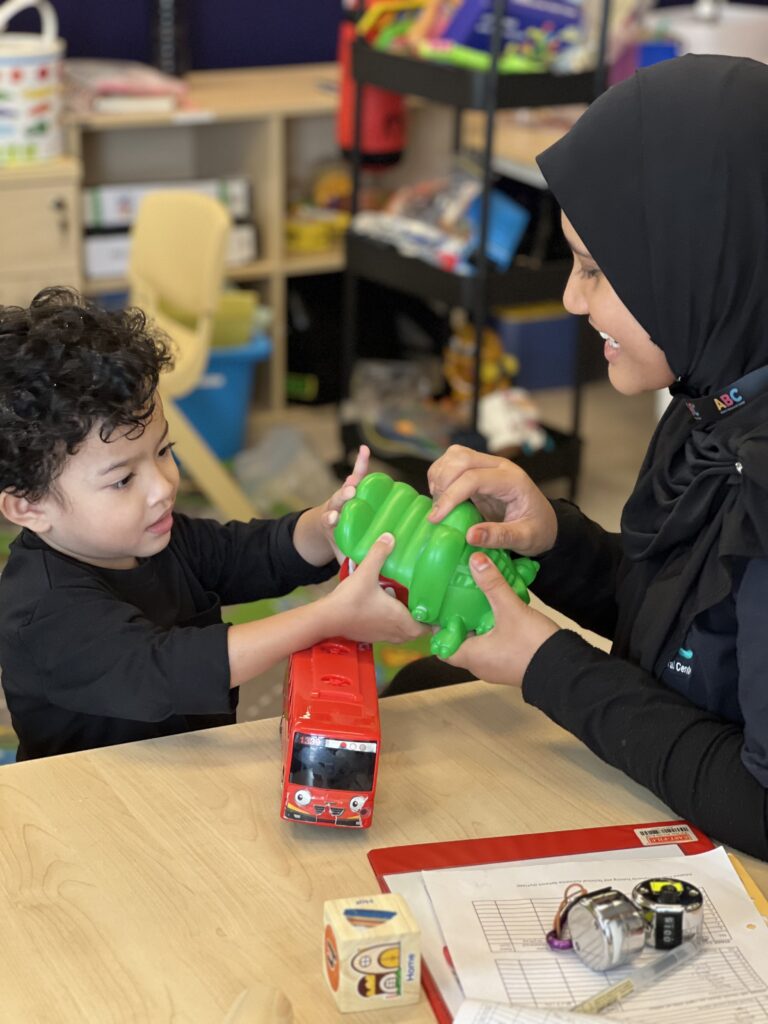
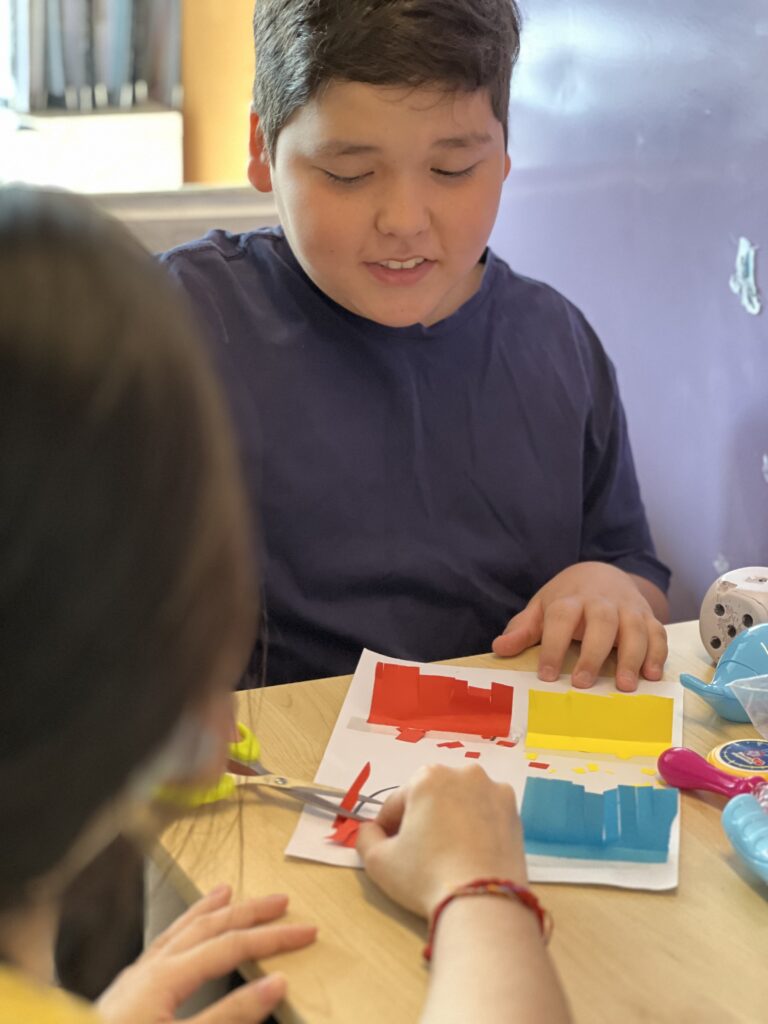
Play-Based Progress: Modern intervention is not “work”; it is fun, natural, and built around connection.

Foundation Building: Early support does not just fix delays; it gives your child the tools to grow, learn, and shine.

Common Myths vs. Reality

Overcoming the “Wait & See” Trap

Myth: “They’ll just catch up eventually.”
Reality: Waiting too long can delay critical support during the most important years of development.

Myth: “I don’t want my child to have a label.”
Reality: Support is not about a label; it is about unlocking the specific help your child needs now to thrive.

Myth: “Boys just talk late.”
Reality: While every child is unique, “Red Flags” are indicators of need, not just personality traits. Trust your gut.

When to Seek a Diagnosis

Understanding the Timeline

Visible from Infancy: Early signs of ASD can often be observed in infants and become much more visible by age 2.

The Age 1 Milestone: While testing can happen early, diagnostic accuracy increases significantly after 12 months of age.

The “Age 3” Threshold: Learning becomes increasingly challenging if intervention is delayed until after a child turns 3.

Accuracy Matters: If you are unsure of the right time, a professional screening is the best way to get a clear answer.

When should early intervention start?

As early as possible (as early at 14 months)— ideally before age 3.
The moment a parent, doctor, or teacher notices that a child isn’t meeting typical milestones (like talking, walking, or interacting with others), it’s a good time to start looking into early intervention.

Why Early Intervention is key?

1. “Let’s wait and see — they’ll catch up.”

Some kids do develop at their own pace, but waiting too long can delay important support. Early signs are not always "just a phase" — and early help is better than late help.

2. Comparing their child to siblings or other kids

Every child is unique. Just because an older sibling was a “late talker” and turned out fine doesn’t mean it’s safe to wait. Milestones matter — and red flags shouldn't be ignored.
 
3. Thinking it’s their fault and feeling ashamed
Parents sometimes blame themselves or feel guilty. But delays are not anyone’s fault — and seeking help shows strength, not failure.
 
4. Fearing the label or diagnosis
Some parents avoid early support because they’re afraid of labels like autism, ADHD, or speech delay. But early help doesn’t mean a lifelong label — it just means giving the child the support they need now to thrive.
 
5. Relying only on advice from friends or family
“Well-meaning” advice like “boys talk late” or “don’t worry, my kid was the same” can be misleading. It’s always better to check with a professional — just in case.
 
6. Waiting for a school or doctor to raise concerns
Sometimes, parents wait for teachers or doctors to point things out. But parents know their child best. If something doesn’t feel right, it’s okay to trust your gut and ask for help early.
 
7. Worrying that therapy is too much for a young child
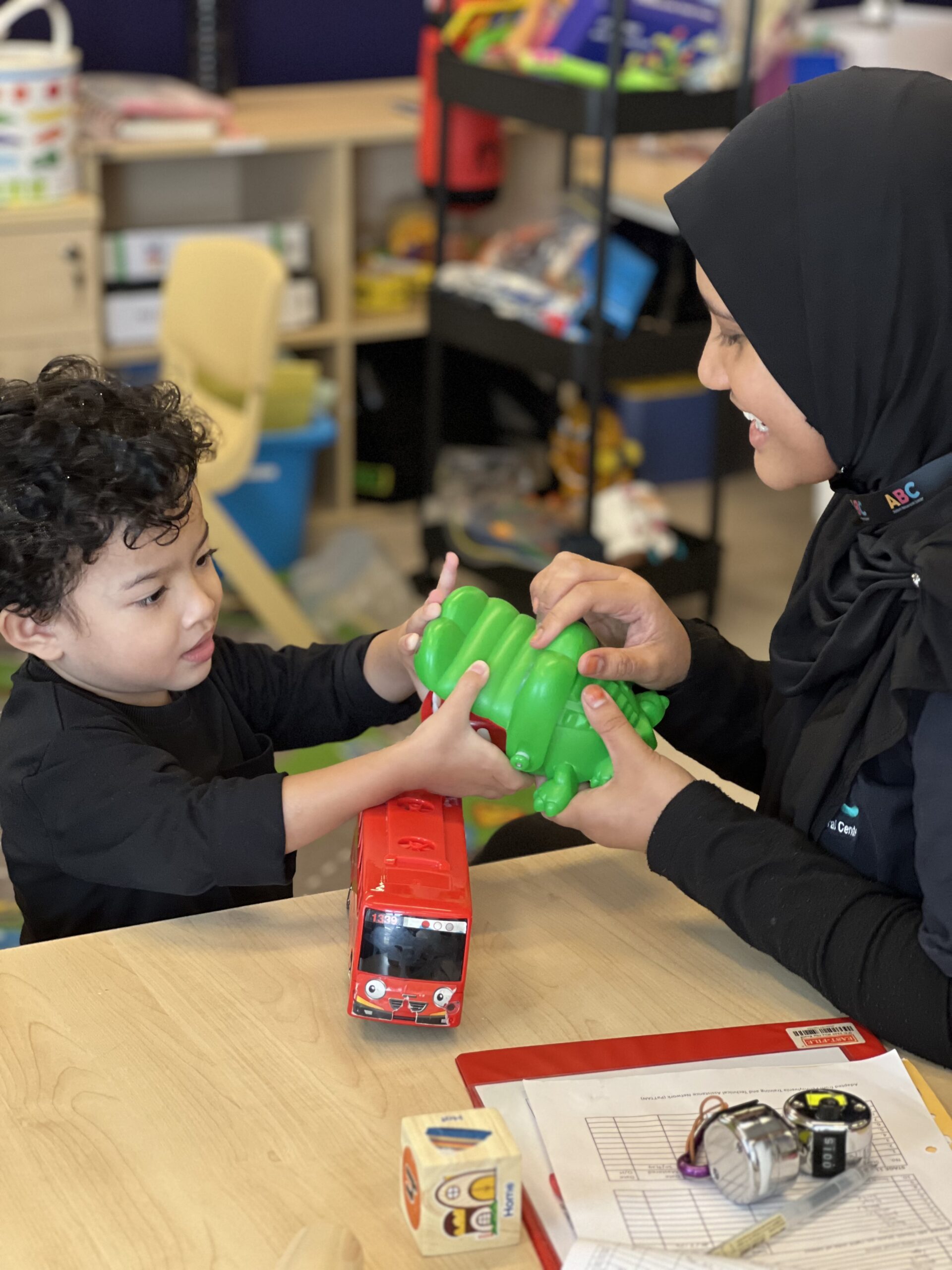
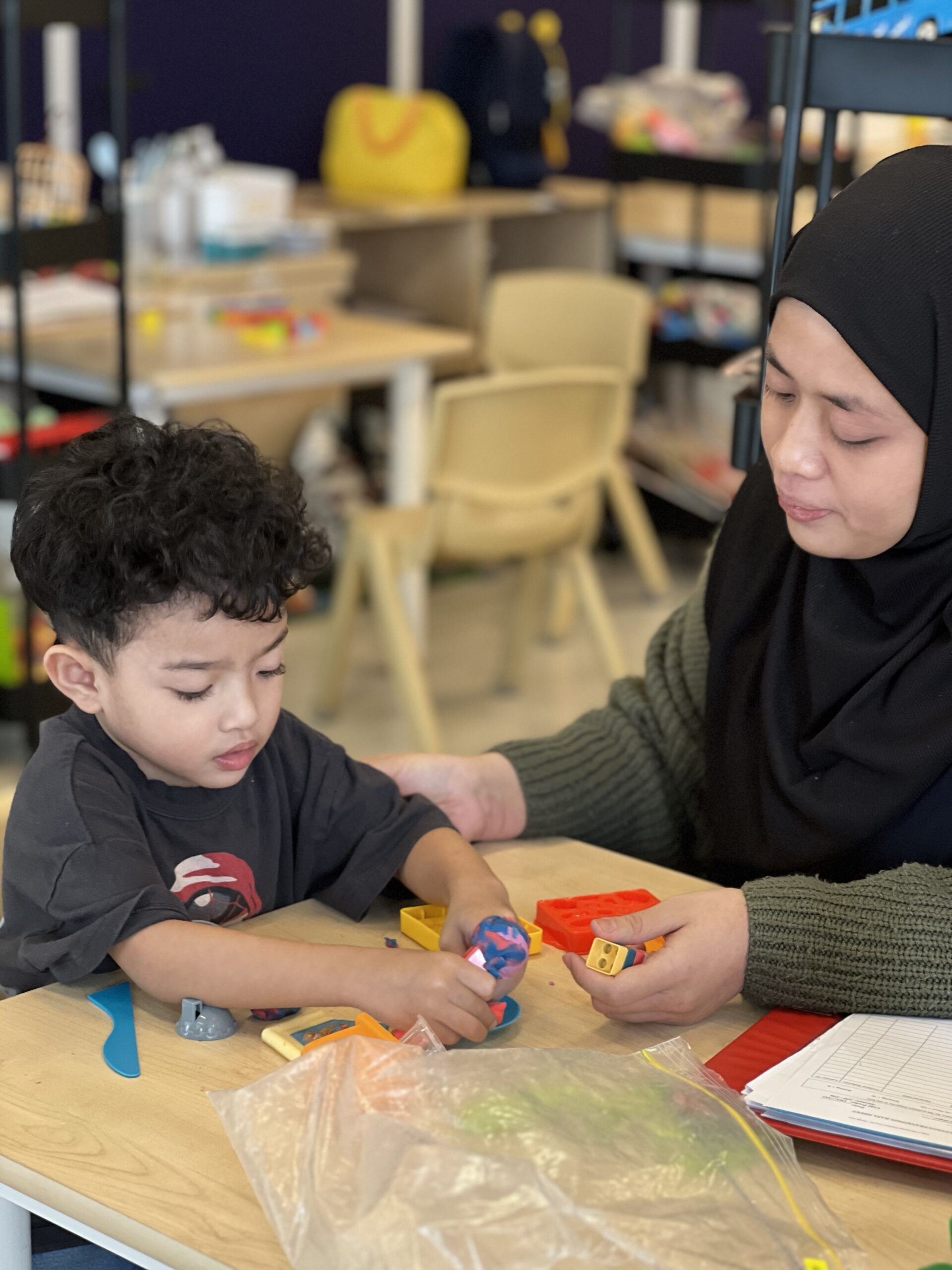
Early intervention is often play-based, fun, and very natural. It’s not about pressure — it’s about building skills through connection and play.
 
Bottom Line:
The biggest mistake is waiting too long.
Early support gives your child the best chance to grow, learn, and shine.


Common mistakes by parents

1. “Let’s wait and see — they’ll catch up.”
Some kids do develop at their own pace, but waiting too long can delay important support. Early signs are not always "just a phase" — and early help is better than late help.
2. Comparing their child to siblings or other kids
Every child is unique. Just because an older sibling was a “late talker” and turned out fine doesn’t mean it’s safe to wait. Milestones matter — and red flags shouldn't be ignored.
3. Thinking it’s their fault and feeling ashamed
Parents sometimes blame themselves or feel guilty. But delays are not anyone’s fault — and seeking help shows strength, not failure.
4. Fearing the label or diagnosis
Some parents avoid early support because they’re afraid of labels like autism, ADHD, or speech delay. But early help doesn’t mean a lifelong label — it just means giving the child the support they need now to thrive.
5. Relying only on advice from friends or family
“Well-meaning” advice like “boys talk late” or “don’t worry, my kid was the same” can be misleading. It’s always better to check with a professional — just in case.
6. Waiting for a school or doctor to raise concerns
Sometimes, parents wait for teachers or doctors to point things out. But parents know their child best. If something doesn’t feel right, it’s okay to trust your gut and ask for help early.
7. Worrying that therapy is too much for a young child
Early intervention is often play-based, fun, and very natural. It’s not about pressure — it’s about building skills through connection and play.
Bottom Line:
The biggest mistake is waiting too long.
Early support gives your child the best chance to grow, learn, and shine.

At what age can Autism be diagnosed?

Signs of Autism spectrum disorder (ASD) and other developmental delays can be observed in infants. By age 2 years, symptoms can become more visible. 

If you plan to get a diagnostic test, the results may not be as accurate if your child is younger than 12 months old. This is because their skills have yet to be fully developed. On the other hand, it will become increasingly challenging for older children to learn and therapists to teach if parents delay the intervention for too long and only start to seek help when the child is more than 3 years of age.

If you are worried or unsure of when is the right time, talk to us today

Developmental Red Flags:
When to Seek Professional Support

By 12 months:

No babbling or various speech sounds.

No gestures (no pointing or waving).

Low social affection towards primary caregivers.

Poor eye tracking (doesn’t follow moving objects).

No response when their name is called.

By 18 months:

Ignores instructions (e.g., “sit down” or “wash hands”).

Limited vocabulary (less than 10 words spoken/understood).

Not walking independently.

No imitation of actions or play.

By 24 months:

No 2-word phrases (e.g., “daddy carry,” “more cookie”).

Fleeting attention (unable to sustain play).

Frequent meltdowns or intense tantrums.

Repetitive behaviors or insisting on strict routines.

Prefers solo play (avoiding social interaction).

Here are the developmental milestones your child should achieve

By the end of 12 months:

  • Does not babble or produce various sounds
  • Limited use of gestures such as pointing and waving
  • Little display of affection to their primary caregiver(s)
  • Does not follow moving objects with their eyes
  • Does not respond to their name
  •  

By the end of 18 months:

  • Does not respond to common instructions eg: sit down, wash hands, kiss mummy
  • Does not have a vocabulary of at least 10 words your child can vocalize and understand 
  • Does not walk
  • Does not imitate actions including how to play

By the end of 24 months:

  • Does not communicate in minimally 2 word phrases eg: daddy carry, more cookie, etc
  • Fleeting attention; unable to sustain attention to play
  • Increased tantrums or meltdowns
  • Observance of odd repetitive behaviors or insisting centain things to be done a certain way
  • Prefers to play alone
  •  
Why Choose Us

What Makes ABC Different

Over 60 private therapy rooms for 1:1 sessions

Supervised by local & international BCBA’s with over 2 decades of experience

Based on the trusted PaTTAN model from the U.S.

Customised plans tailored to each child’s unique needs

Warm, professional therapists trained to support your child’s journey

Over 100+ certified special needs interventionists at ABC

How It Works

1. Book Consultation

  • Schedule a conversation with our specialists to discuss your concerns and get a professional opinion on the right time to start. We help you understand why early action is critical, ideally starting before age 3, to provide your child with the strongest foundation for development.

2. Professional Assessment

  • Our team conducts a detailed screening to identify specific developmental “red flags,” such as delays in babbling by 12 months or limited vocabulary by 18 months. We ensure high diagnostic accuracy by evaluating these milestones once a child is at least 12 months of age.

3. Personalised Plan

  • We move past the “wait and see” approach by creating a tailored roadmap designed for your child’s unique needs. This professional strategy focuses on helping your child reach the typical milestones they may currently be missing, replacing uncertainty with a clear plan of action.

4. Start Therapy

  • Your child begins sessions that are play-based, natural, and fun, focusing on building essential skills through connection rather than pressure. Starting this intervention early, while brain plasticity is at its highest, gives your child the best possible chance to grow, learn, and shine.

The biggest mistake is waiting too long. Taking the first step today ensures your child receives the support they need now to thrive in the future.

Programme details

Introductory A

Best for

Families seeking a gentle, part-time start to therapy.

Recommendation

Entry Level

Time Commitment

6 hours / week

Weekly Visits

2 visits

Session Timings

Choice of 9AM–12PM or 1PM–4PM

1:1 Intervention

Included

Supervision

Senior Therapist

Therapies Included

Social Skills

Life Skills

Self-feeding

Assessments

Milestone Based

School Goal

Skill Awareness

Introductory B

Best for

Children needing more frequent weekly touchpoints.

Recommendation

Part-Time Growth

Time Commitment

9 hours / week

Weekly Visits

3 visits

Session Timings

Choice of 9AM–12PM or 1PM–4PM

1:1 Intervention

Included

Supervision

Senior Therapist

Therapies Included

Social Skills

Life Skills

Self-feeding

Assessments

Milestone Based

School Goal

Developmental Prep

Premium (Half Day)

Best for

Children needing moderate, consistent daily support.

Recommendation

Daily Foundation

Time Commitment

15 hours / week

Weekly Visits

Daily (Mon – Fri)

Session Timings

Mon to Thu 9AM–12PM or 1PM–4PM

Fri 2PM–5PM

1:1 Intervention

Included

Supervision

BCBA & Clinical Director

Therapies Included

OT & Music Therapy

Life Skills

Feeding Intervention (for picky eaters) & Toilet Training

Assessments

Standardised Assessment eg: VB-MAPP

School Goal

School Readiness

Premium (Full Day) ★

Best for

Children needing intensive support and fastest progress.

Recommendation

★ For rapid results.

Time Commitment

37 hours / week

Weekly Visits

Daily (Mon – Fri)

Session Timings

Mon to Thu 9AM-4PM

Fri 9AM-5pm

1:1 Intervention

Included

Supervision

BCBA & Clinical Director

Therapies Included

Speech, OT & Music Therapy

Life Skills

Feeding Intervention (for picky eaters) & Toilet Training

Assessments

IQ Assessment + Standardised Assessment eg: VB-MAPP

School Goal

Mainstream Integration Guarantee*

*Guaranteed mainstream school integration within 3 years (must start intervention by age 2.5).

Other Services: Occupational Therapy, Private Music Therapy, Diagnostic Evaluations by Clinical Psychologist, Parent Training, Circle time & Social Skills Program.

Not sure which programme is right?

Choosing the right intensity is the most important decision you will make for your child’s early development. We provide a professional assessment to help you understand your child’s current skill levels and recommend the most effective plan for their future.
+
Students
+
Therapists
+
Class Rooms
Locations

Moment From Classes

Our Gallery