Embracing differences, challenging stereotypes
Early Intervention Programme (EIP)
Why Early Intervention Matters
Early intervention means giving help to your child as early as possible when there are signs of delays in their development — things like talking, walking, learning, or playing.

Improve speech and communication

Develop social and play skills

Reduce disruptive behavior including meltdowns and tantrums

Prepares a child for school and successful reintegration into mainstream education

When should early intervention start?
Why Early Intervention is key?
1. “Let’s wait and see — they’ll catch up.”
2. Comparing their child to siblings or other kids
Early support gives your child the best chance to grow, learn, and shine.
Common mistakes by parents
Early support gives your child the best chance to grow, learn, and shine.
At what age can Autism be diagnosed?
Signs of Autism spectrum disorder (ASD) and other developmental delays can be observed in infants. By age 2 years, symptoms can become more visible.
If you plan to get a diagnostic test, the results may not be as accurate if your child is younger than 12 months old. This is because their skills have yet to be fully developed. On the other hand, it will become increasingly challenging for older children to learn and therapists to teach if parents delay the intervention for too long and only start to seek help when the child is more than 3 years of age.
If you are worried or unsure of when is the right time, talk to us today

Here are the developmental milestones your child should achieve
By the end of 12 months:
- Does not babble or produce various sounds
- Limited use of gestures such as pointing and waving
- Little display of affection to their primary caregiver(s)
- Does not follow moving objects with their eyes
- Does not respond to their name
By the end of 18 months:
- Does not respond to common instructions eg: sit down, wash hands, kiss mummy
- Does not have a vocabulary of at least 10 words your child can vocalize and understand
- Does not walk
- Does not imitate actions including how to play
By the end of 24 months:
- Does not communicate in minimally 2 word phrases eg: daddy carry, more cookie, etc
- Fleeting attention; unable to sustain attention to play
- Increased tantrums or meltdowns
- Observance of odd repetitive behaviors or insisting centain things to be done a certain way
- Prefers to play alone
What Makes ABC Different
Over 60 private therapy rooms for 1:1 sessions
Supervised by a BCBA with 14+ years’ experience
Based on the trusted PaTTAN model from the U.S.
Customised plans tailored to each child’s unique needs
Warm, professional therapists trained to support your child’s journey
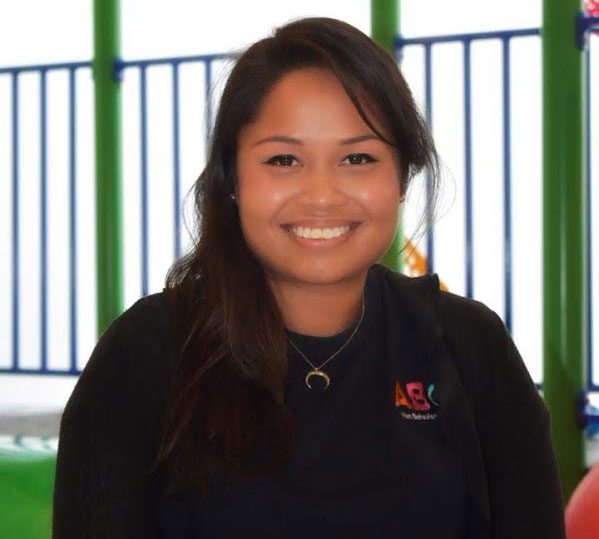
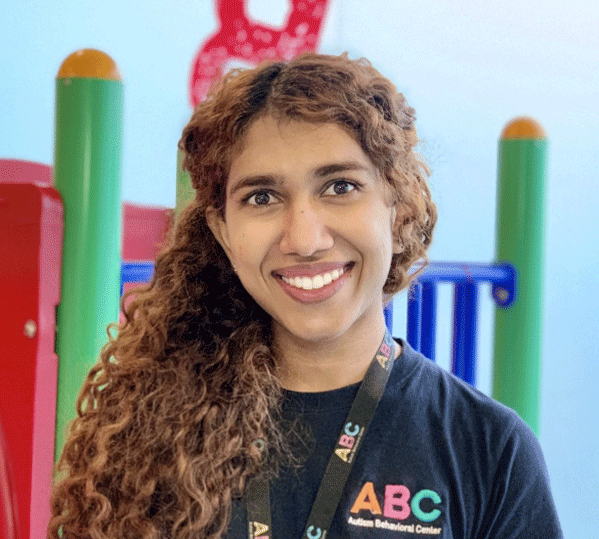
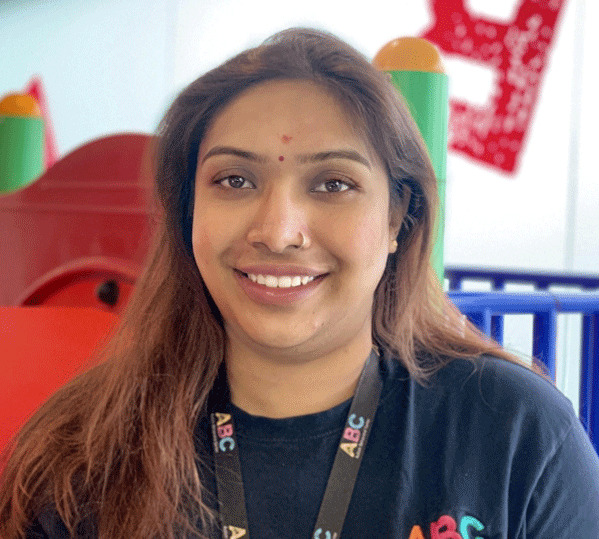

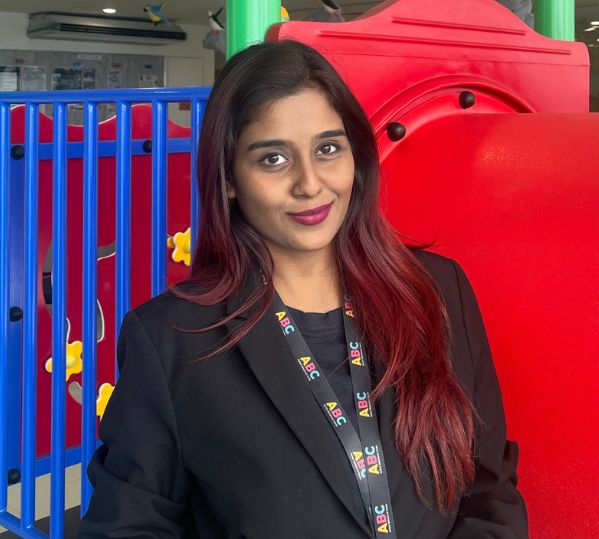
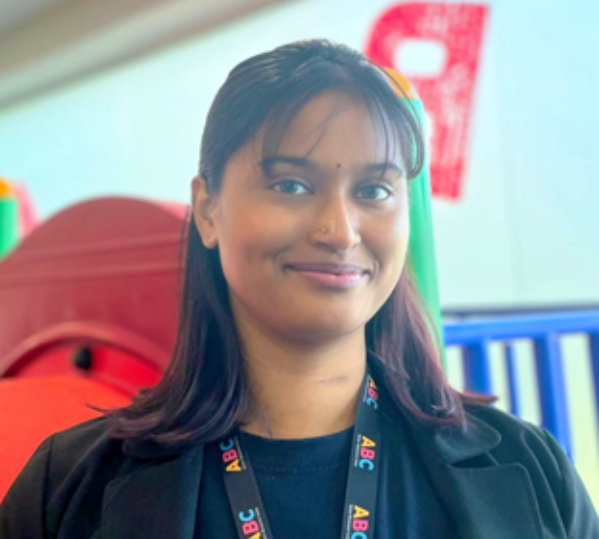

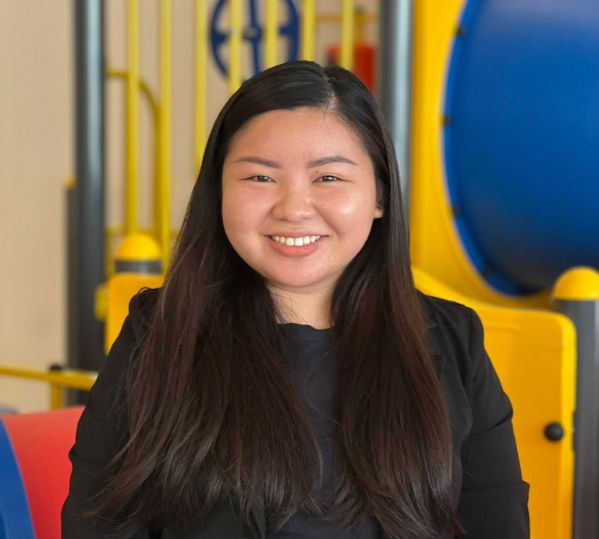

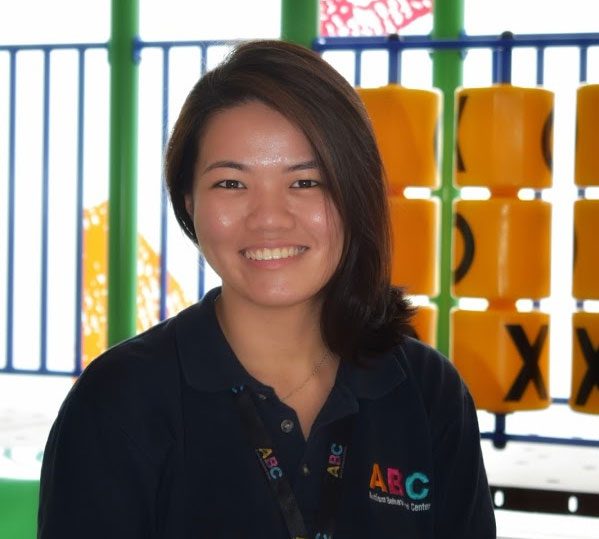

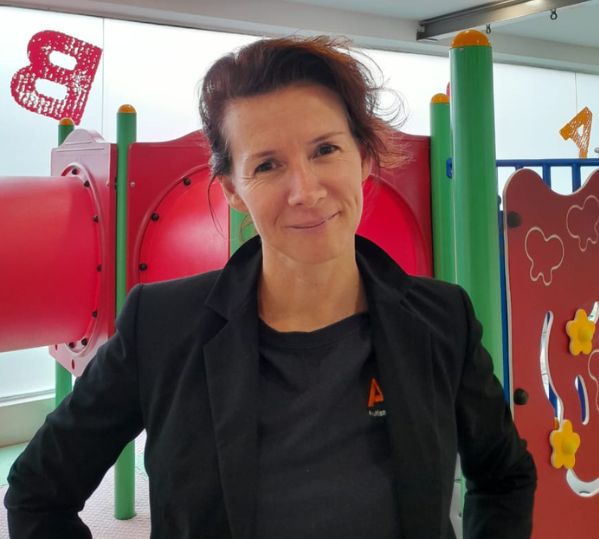
Over 100+ certified special needs interventionists at ABC
Programme details
Introductory Program A |
2 visits, 6 hours/ week |
Home/ Center Based |
1:1 individualised Intervention Complimentary
|
English |
RM125 per/hour |
Introductory Program B |
3 visits, 9 hours/ week |
Home/ Center Based |
1:1 individualised Intervention Complimentary
|
English |
RM125/hour |
Daily Programme
Premium Program (Half Day) |
Daily program, 15 hours/week |
Home/ Center Based |
1:1 individualised Intervention Complimentary
|
English |
RM125/hour |
Premium Program (Full Day) |
Daily program, 37 hours/week |
Home/ Center Based |
1:1 individualised Intervention Complimentary
|
English |
RM88/ hour |
For the best outcomes, rapid progress
Guaranteed mainstream school integration within 3 years from start of services
(must start intervention by 2.5 years old)
Other Services:
Occupational Therapy RM180/session
Private Music Therapy RM120/session
Diagnostic Evaluations by Clinical Psychologist- from RM1300 onwards
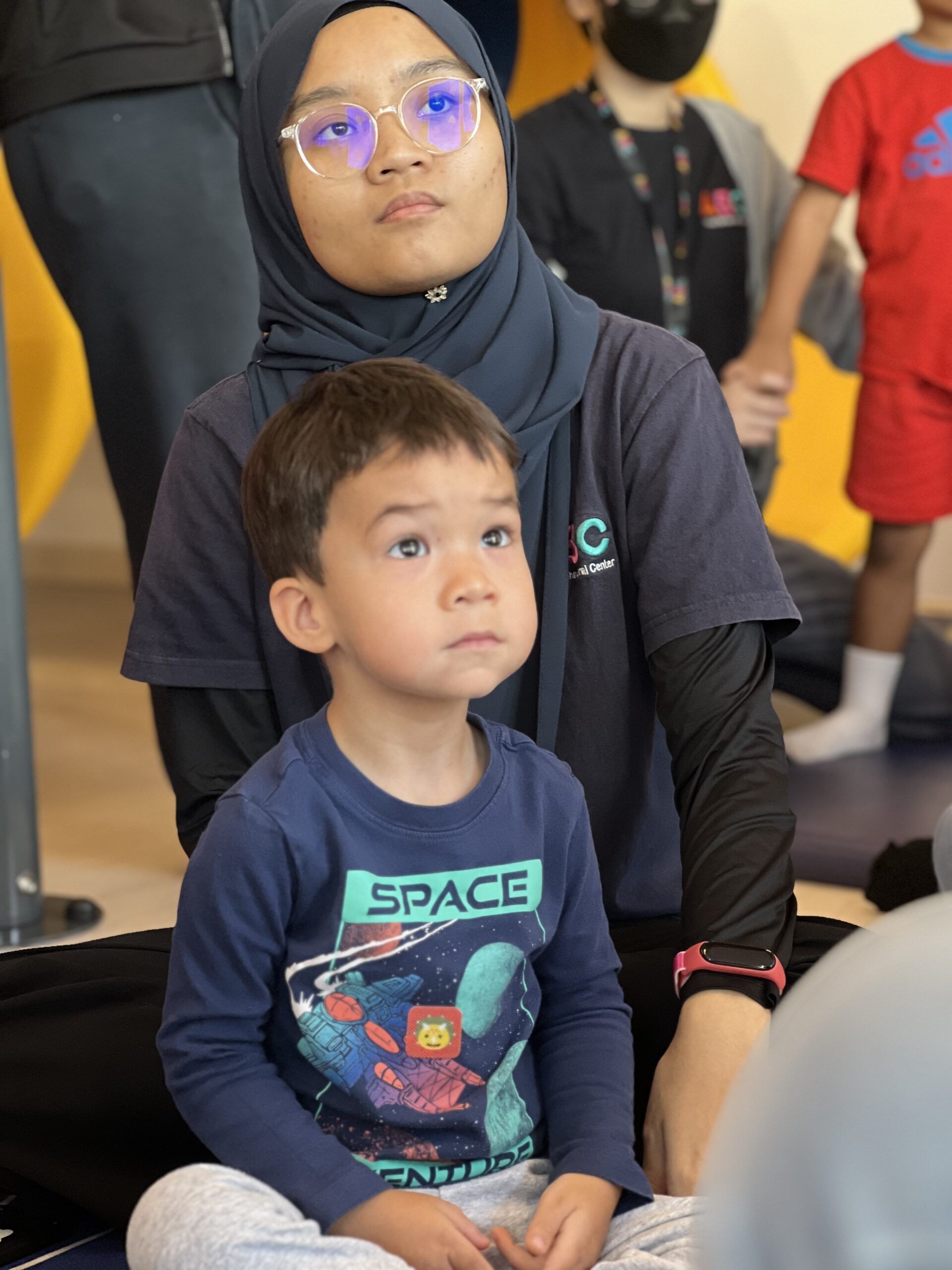
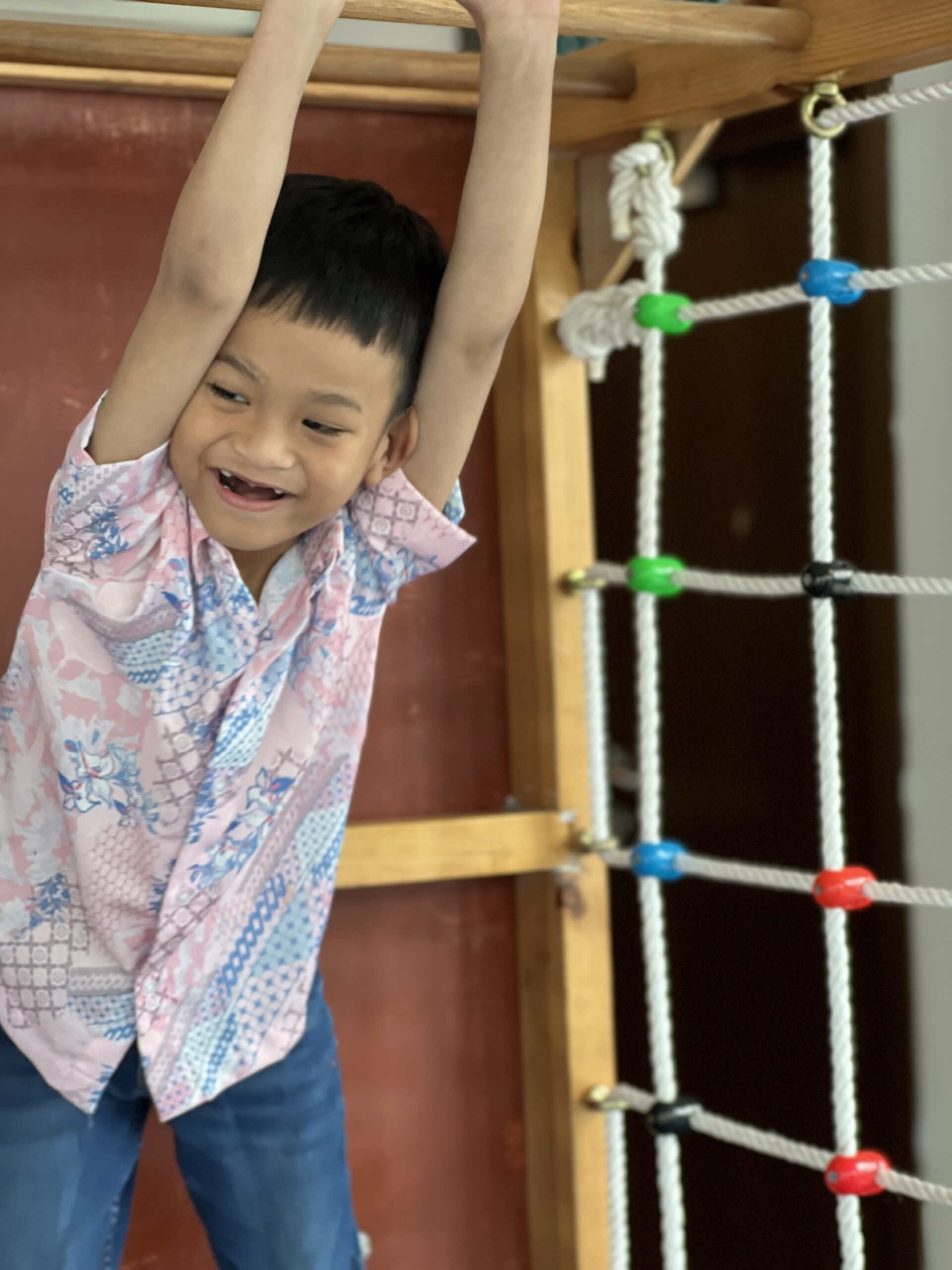
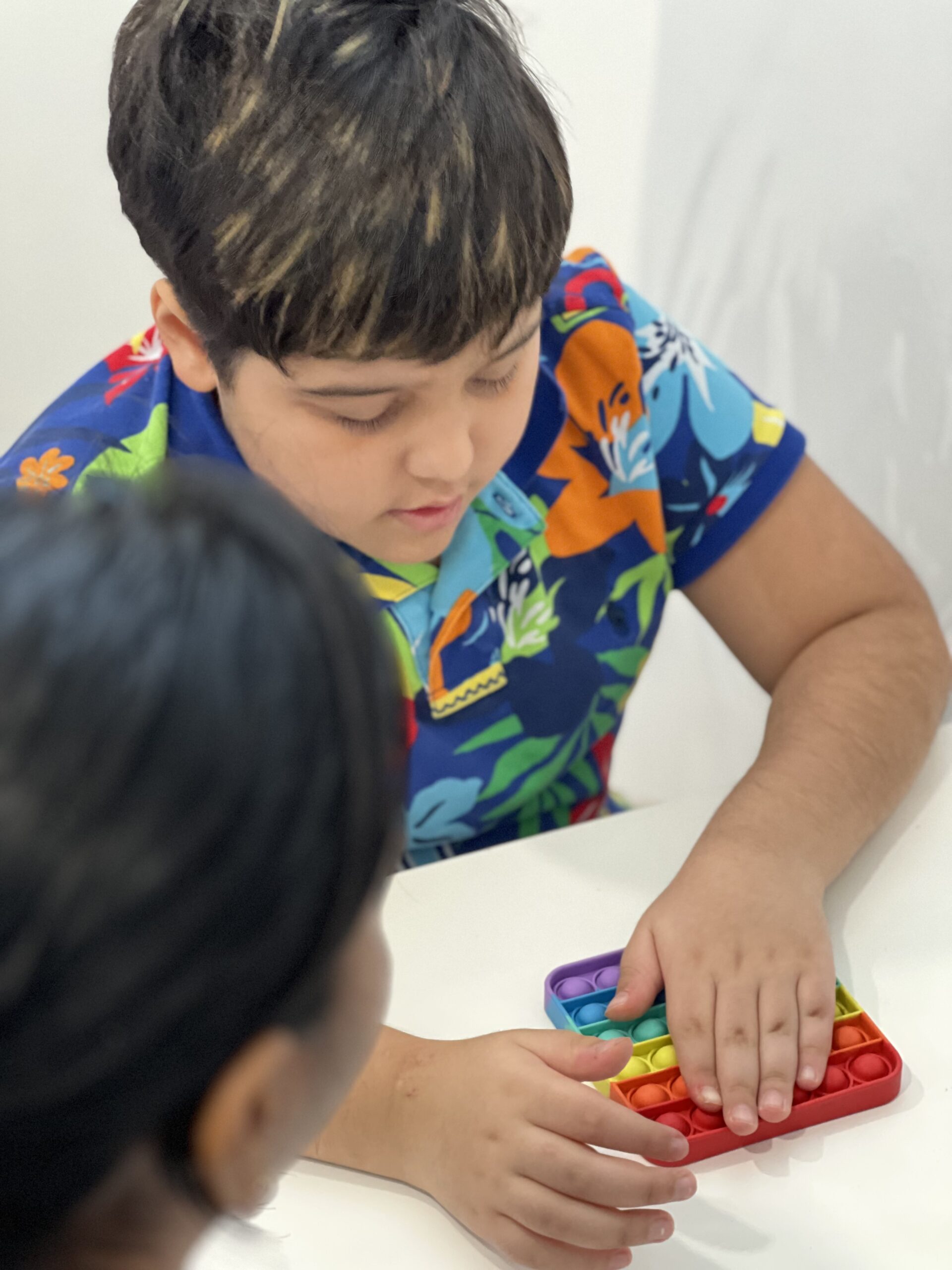
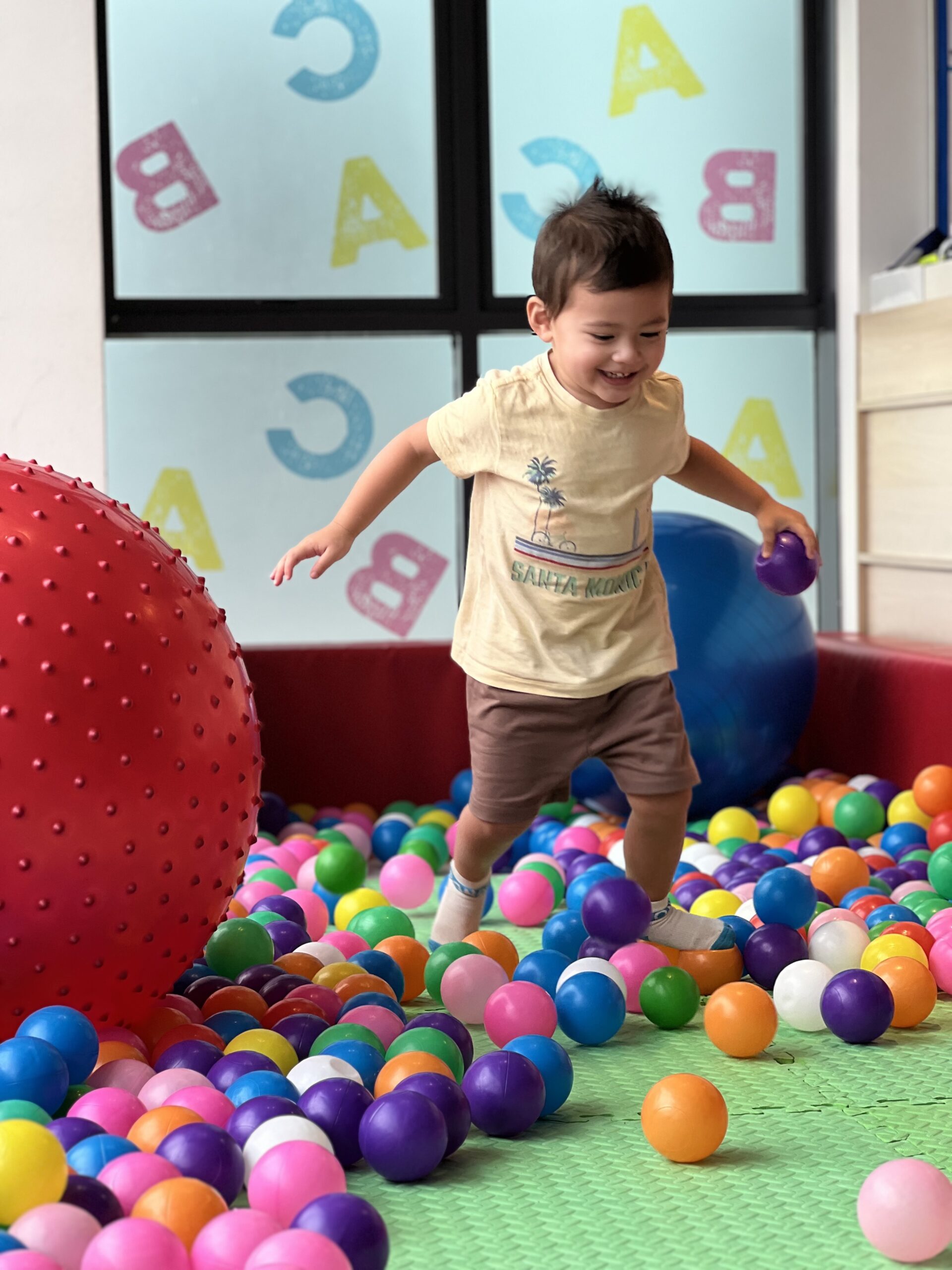
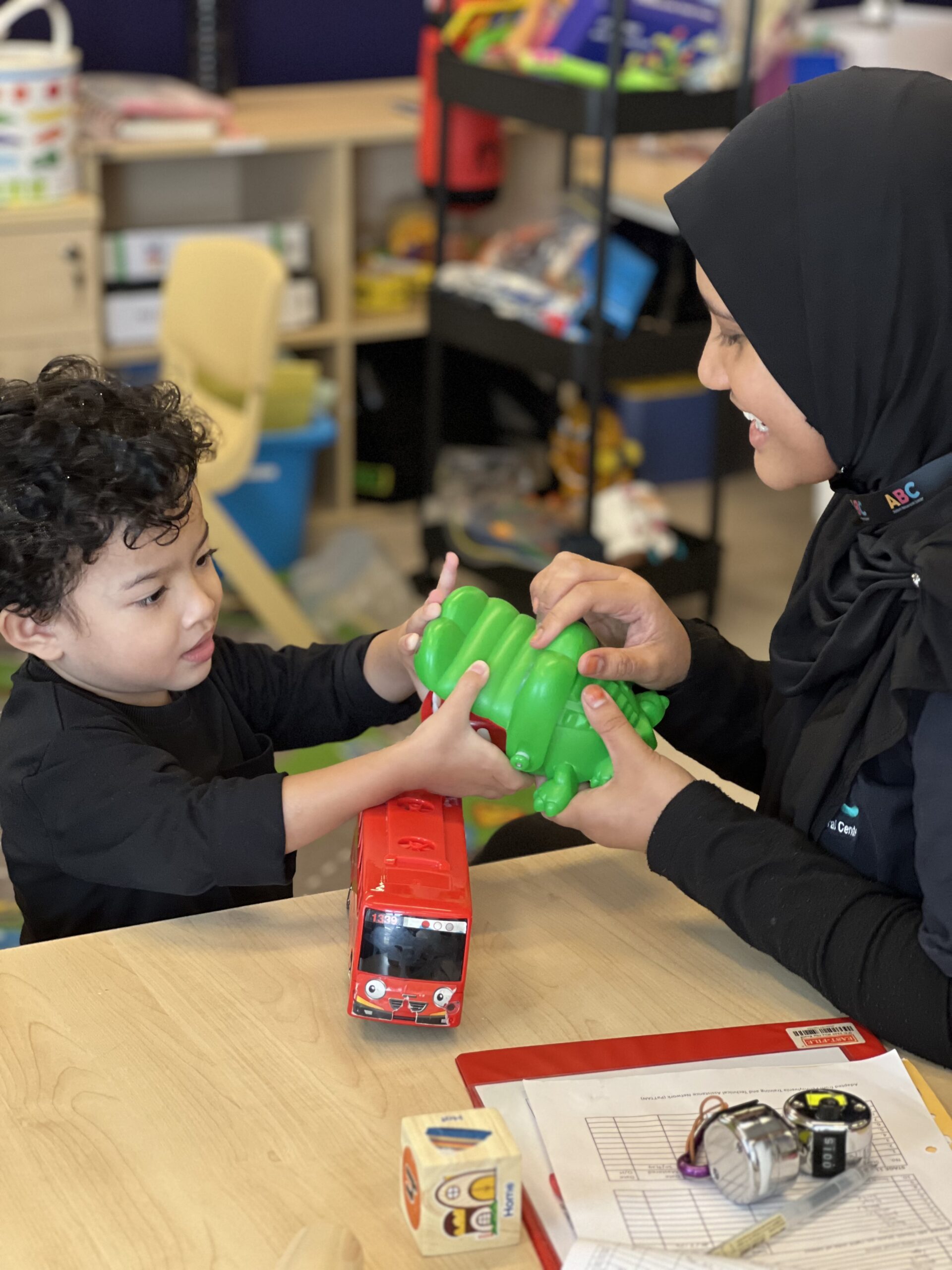
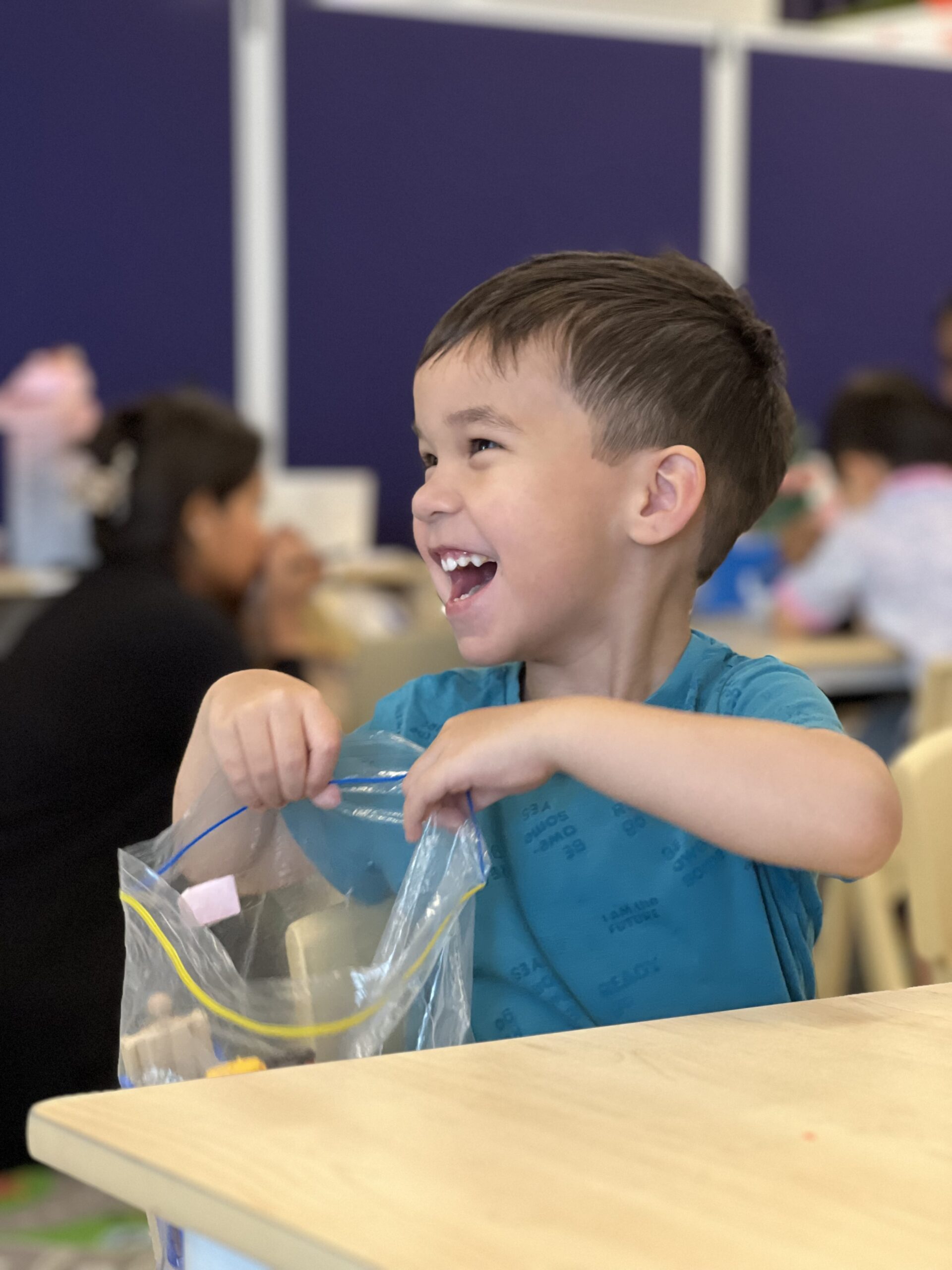
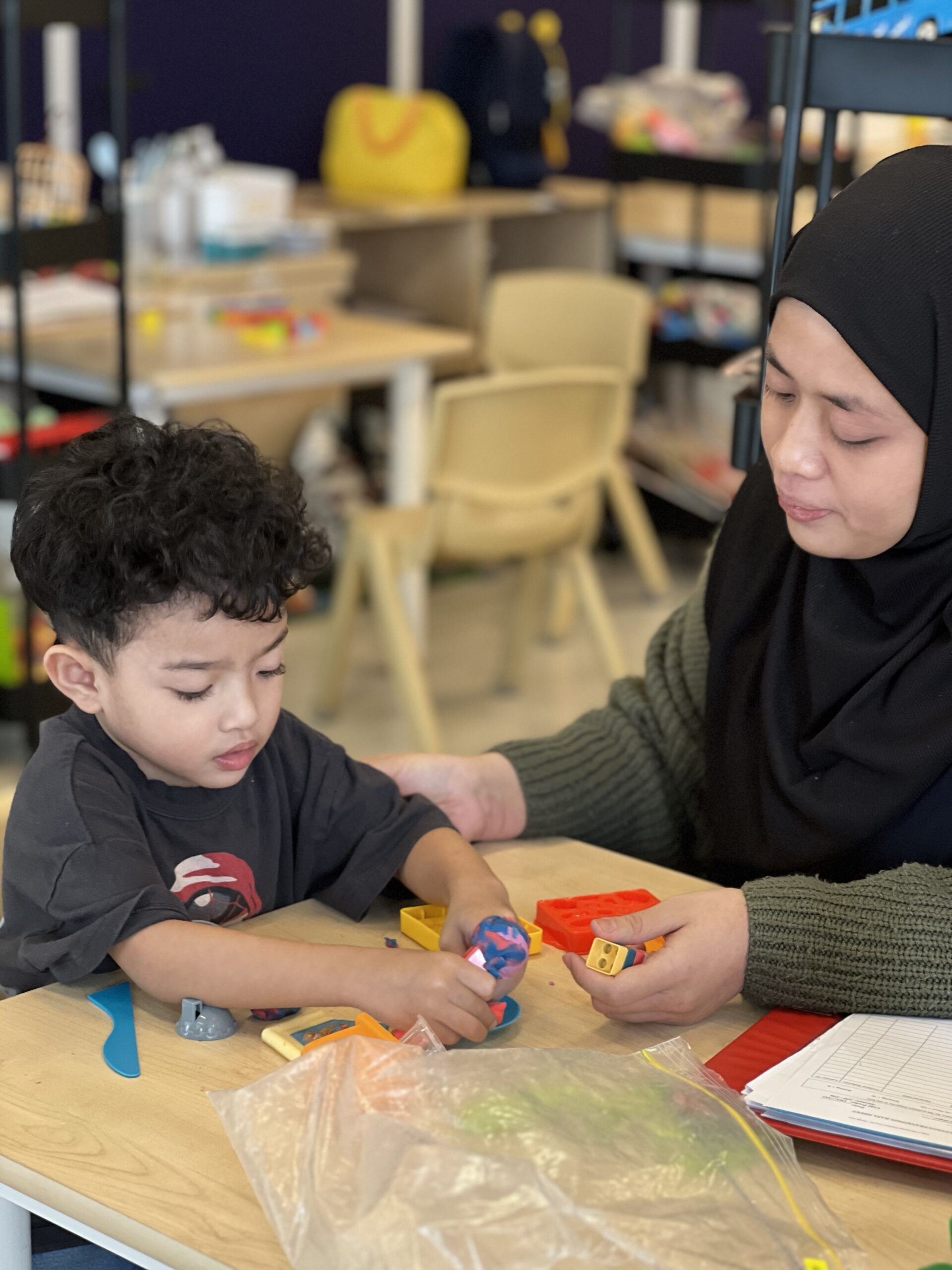
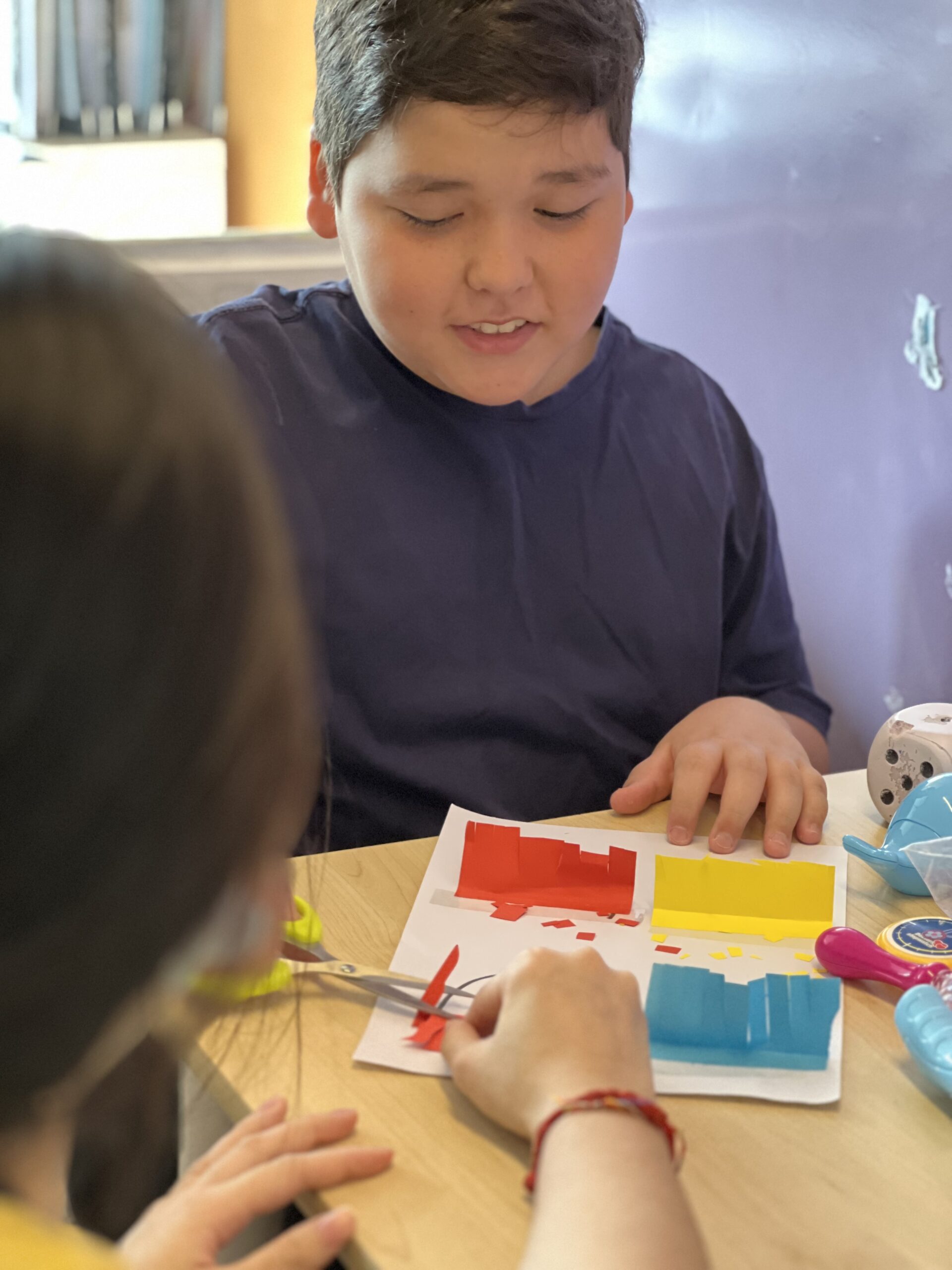
Moment From Classes








What The Parents Say
Trustindex verifies that the original source of the review is Google. The ABC center provides a very personalized learning experience, tailoring the instruction to each student's individual needs. My son was there and I am extremely happy with their teaching methods. My son has improved tremendously. Thank you ABC team for all your hardworks !Trustindex verifies that the original source of the review is Google. one of the best decisions I ever made sending my child hereTrustindex verifies that the original source of the review is Google. Quite good infra and have in depth knowledge about Autism. they have intense and detailed plan for therapy.Trustindex verifies that the original source of the review is Google. Very responsible service and good follow up with the children progress, my son shows a significant improvement at ABC. Thank you for all the teachers and admins assistant 🙏Trustindex verifies that the original source of the review is Google. Our family’s journey with the ABC has been nothing short of extraordinary. When we first started enrolling 1:1 ABA therapy with ABC, Edmund was just two years old, non-verbal with delayed social responsiveness. As parents, we were filled with uncertainty and hope, and it was clear from day one that we were in the right place. Over the past four years, the incredible team at ABC, led by their caring and dedicated supervisors and therapists, Jasmine, Jay, Ummi, Rutha, Aqilah, Yoga and the entire team, has not only supported Edmund but truly transformed his life. With their expertise, patience, empathy and love, Edmund progressed from being non-verbal to confidently transitioning to preschool at the age of five. And now, at six years old, he is accepted into an inclusive international school and adapted well to routines of classroom setting, a milestone that once felt so far away. The incredible team at ABC didn’t just teach Edmund, they celebrated every small victory with us, encouraged us as parents, and helped us see the endless possibilities ahead. Their dedication went beyond just therapy sessions—it felt like they became part of our extended family, always rooting for Edmund’s success :) We will forever be grateful for their role in shaping Edmund into the cheeky, positive, determined and confident boy he is today. To any parent considering ABA therapy, I cannot recommend ABC enough—they truly change lives, and they changed ours. Thank you from the bottom of our hearts, ABC, for walking this journey with us and helping Edmund shine.Trustindex verifies that the original source of the review is Google. We moved to Malaysia with our autistic son, who at the time, was unable to communicate in English and had to start from scratch. The team at ABC was incredibly patient, kind & supportive throughout his journey. They provided a nurturing environment where he felt understood & safe, which made all the difference. After just a year at ABC, our son has made tremendous progress and is now able to transition to a more academically focused school. We are beyond grateful for the dedication & compassion shown by everyone at ABC. They truly care about each child’s unique needs and potential 👍🏻Trustindex verifies that the original source of the review is Google. I was a wreck when I came to ABC in early 2019. At that time, my son was already undergoing therapies but it reached a point where nothing worked anymore. At ABC, Aryan was assessed and he was assigned to an incredible team. This team was my biggest support system. We all witnessed how Aryan progressed by leaps and bounds over the years. Today, he is able to self regulate, express himself and can even have a decent conversation. Aryan is well liked by his teachers and friends in school. Thank you ABC for being there for our family when all hope seems lost and for helping Aryan become the lovely boy he is today!Trustindex verifies that the original source of the review is Google. Absolutely amazing staff and ABA for autistic children. Second to none.Trustindex verifies that the original source of the review is Google. Abc center is a very responsible and caring school. Children will learn a lot in this good environment.Trustindex verifies that the original source of the review is Google. My 5yo son was there for a year (March 2023-March 2024) and I'm forever grateful for all that he had experienced in ABC Bangsar. He's always looking forward to go to school and he's very close with all his teachers, - the therapists who are professional and yet shows great compassion and love towards my son. He shows great improvement and most importantly shows much less tantrum and he's very verbal now hence much happier boy now 🥰
As Featured on

























Let’s Build a Brighter Future, Together
Early intervention is not just therapy—it’s hope, growth, and possibility. Contact us today to learn how we can support your child and family
Bangsar
Bandar Sunway
- Copyright 2025. All Rights Reserved.
- Google Ads & Website by Hypercharge